Jump to HeaderJump to Main ContentJump to Footer
Michigan State University
  • About
  • |
  • Researchers
    • Global Collaborators
  • |
  • Projects
  • |
  • Contact
  • |
  • News
Global Neuropsychiatry Research Group

Department of Psychiatry

  • About
  • Researchers
  • Projects
  • Contact
  • News

< About

< Researchers

  • Global Collaborators

< Projects

< Contact

< News

Global Neuropsychiatry Research Group > Projects >

Preventing Konzo from Toxic Cassava in the Democratic Republic of Congo

Resources

  • A to Z Index
  • Find People
  • Maps
  • Email
  • Student Information System (SIS)
  • D2L
  • Libraries
  • Tech Support
  • MSU Misconduct Hotline
  • Social Media Directory
  • Events Calendar
  • For Media
Michigan State University
Global Neuropsychiatry Research Group

Department of Psychiatry

Global Neuropsychiatry Research Group

Preventing Konzo from Toxic Cassava in the Democratic Republic of Congo

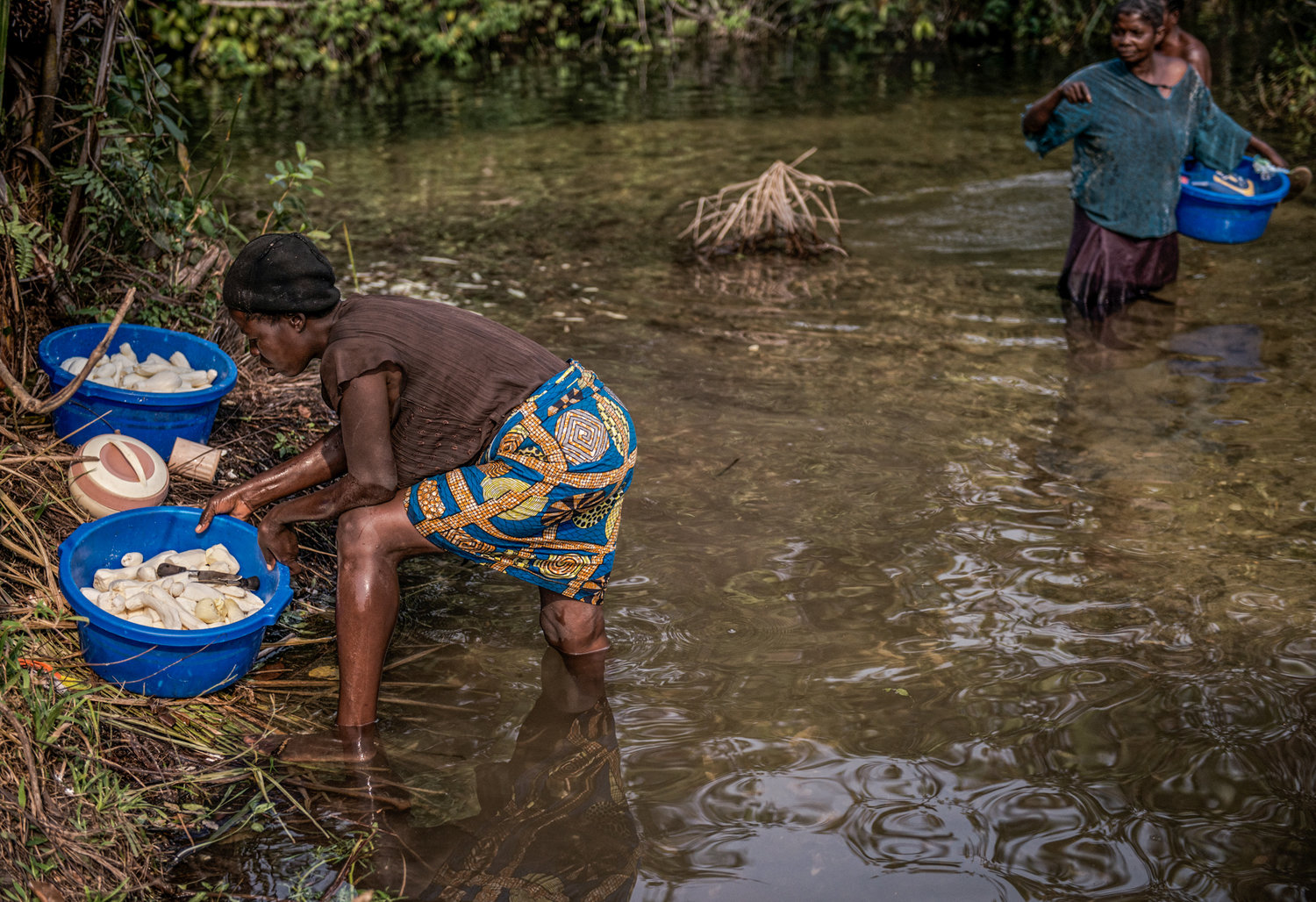
People gathering cassava root from a Congolese river


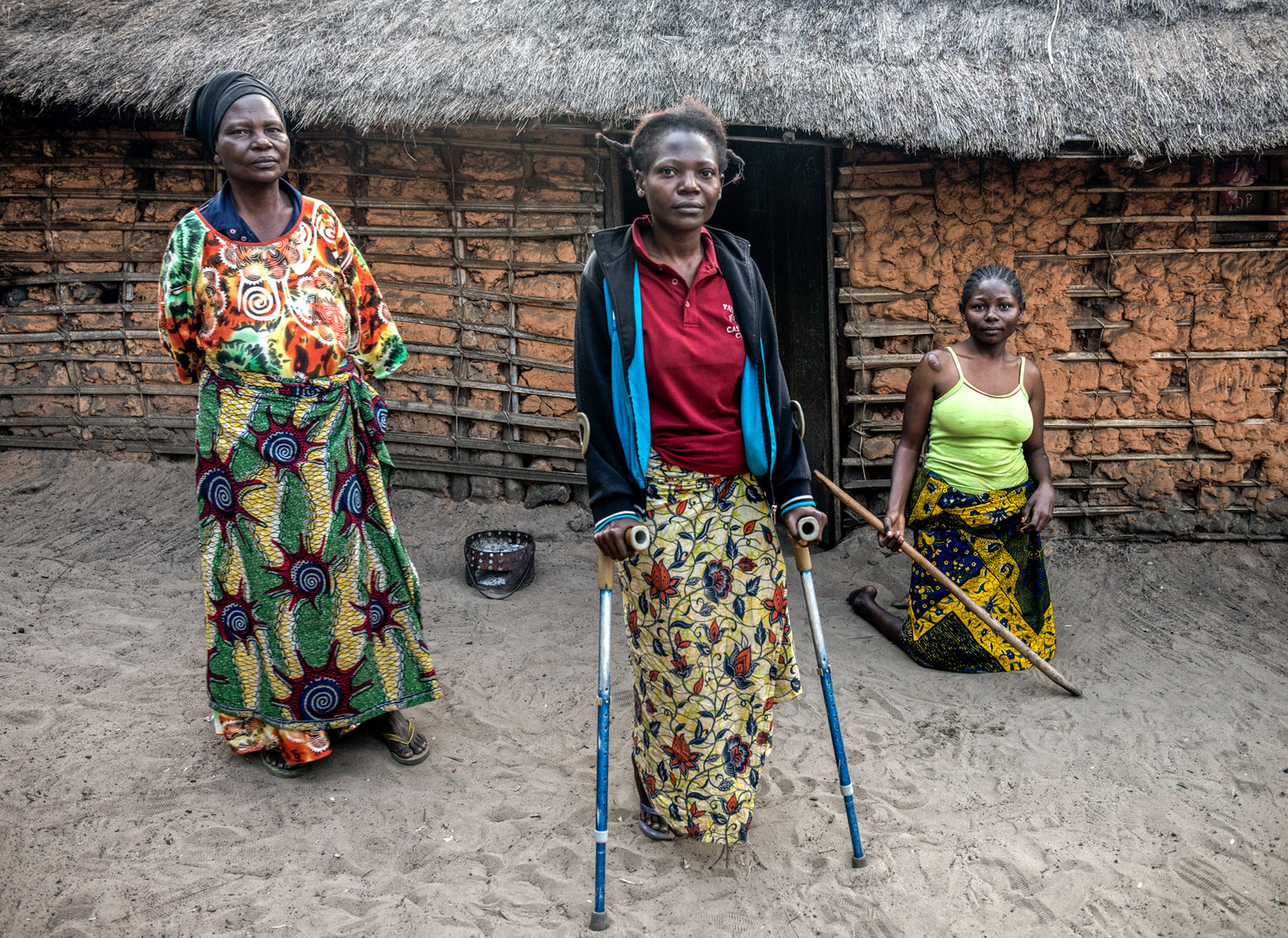
African women affected by Konzo disease in DR Congo.

Konzo is a neurological disability, a sudden-onset, partial paralysis of the legs that results from ingesting the cyanide in improperly prepared bitter cassava root, a staple food source for millions of people in drought areas of central and western Africa. Victims of konzo simply wake up one morning unable to walk. The name means "tied legs" in the Yaka language of southwestern Congo, referring to the awkward knock-kneed stance it produces in survivors lucky enough to be able to use their legs at all.

There is no known cure for konzo. However, it is entirely preventable. All you have to do is detoxify the cassava. Water and sun can do that through fermentation and evaporation. Communities have found over time that when cassava roots are soaked in water for several days and allowed to dry in the sun before being ground into flour, the toxic compounds break down and no longer pose a threat to consumers.

Over the last 20 years, Dr. Boivin has pioneered in the standardization of this technique, now known as the wetting method, to effectively prevent konzo disease in vulnerable populations. Through past and ongoing research, Dr. Boivin has implemented teaching schemes for the wetting method and provided parenting training for caregivers to enhance adherence to the wetting method and stimulate early child development

Interview with Dr. Boivin about his Work on Konzo

Health and Safety

  • MSU Police and Public Safety
  • Olin Health Center
  • Counseling & Psychiatric Services (CAPS)
  • University Health and Wellbeing
  • MSU Health Care
  • Civil Rights and Title IX
  • Our Commitment
  • Center for Survivors
  • Security & Fire Safety Report
  • University Policy on Relationship Violence and Sexual Misconduct
  • Notice of Non-Discrimination, Anti-Harassment and Non-Retaliation
  • Health Care Non-Discrimination Notice

Support Services

  • Disability Resources
  • Supportive Services
  • Learning Resources

Working at MSU

  • Human Resources
  • EBS Login
  • Job Postings
  • Employee Assistance Program

Reports

  • CARES Act Funding
  • Student Achievement and Outcomes

Contact us

517-355-1855

Address

Michigan State University 426 Auditorium Road East Lansing, MI 48824

Releases and Statements

Follow Us

  • Visit our Facebook page
  • Visit our page on X
  • Visit our Instagram page
  • Visit our LinkedIn page
  • Visit our YouTube page

If you're having accessibility issues, please let us know.
Know More: Campus Safety Information and ResourcesTransparency Reporting: Budget & Salary/Compensation
  • Contact Information|
  • Site Map|
  • Privacy Statement|
  • Site Accessibility|
  • Call MSU: (517) 355-1855|
  • Visit: msu.edu|
  • Notice of Nondiscrimination|

SPARTANS WILL|© Michigan State University|